Tokenization in NLP and LLMs: A Simple Guide to How Language Models Read Text
Understand how language models like GPT-4 read text using tokens. This beginner-friendly guide to tokenization in NLP explains what tokens are, why they matter, and how different strategies affect model performance. Includes examples, analogies, and practical tools to help you grasp the concept clearly.
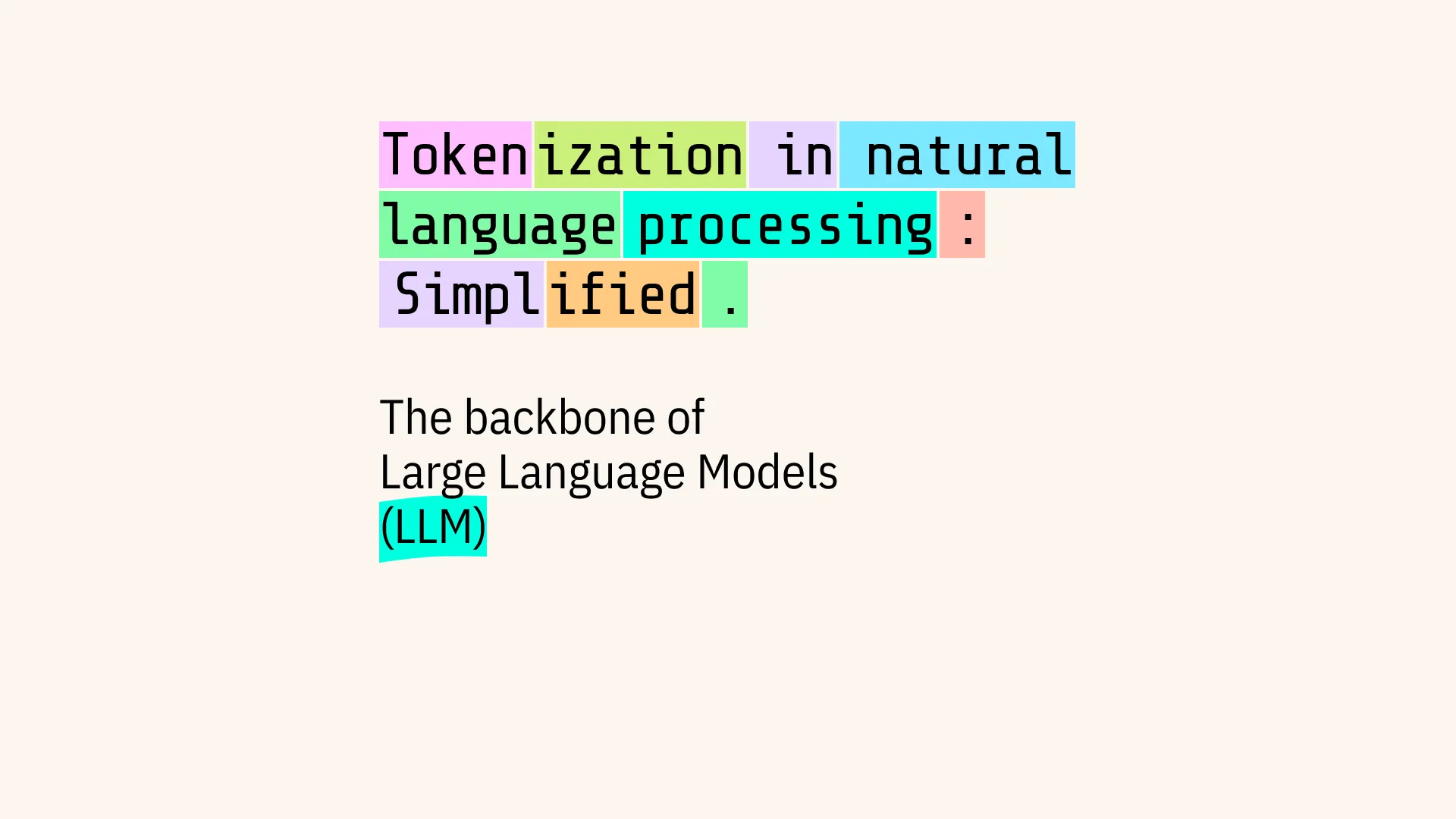
Tokenization in natural language processing: Simplified.
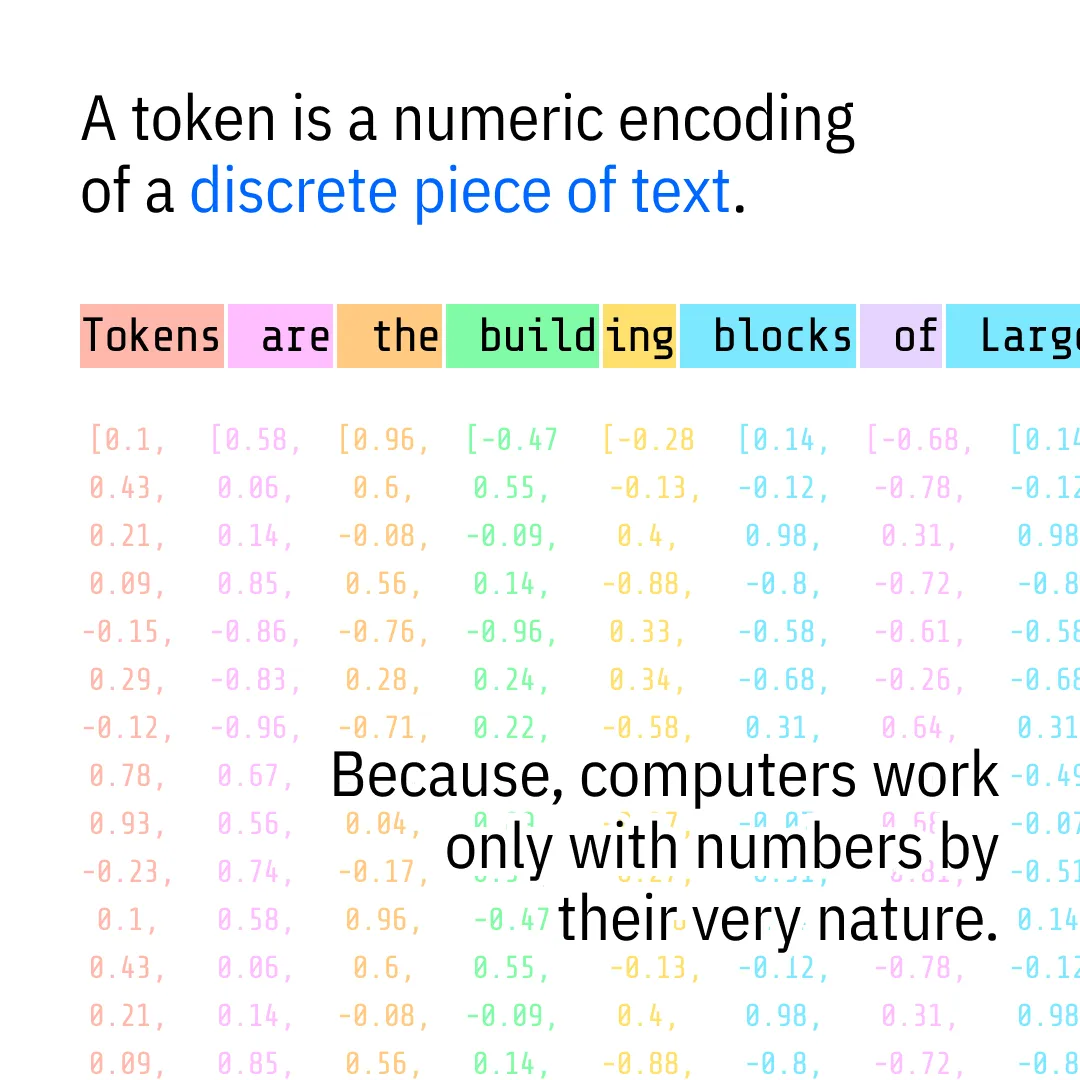 What is a Token? A token is a numeric encoding of a discrete piece of text. In simpler terms, when a language model processes words, it doesn’t “read” them like humans do—it converts them into numbers. Each word, subword, or character can be represented as a token, depending on the chosen tokenization strategy.
What is a Token?
A token is a numeric encoding of a discrete piece of text. In simpler terms, when a language model processes words, it doesn’t “read” them like humans do—it converts them into numbers. Each word, subword, or character can be represented as a token, depending on the chosen tokenization strategy.
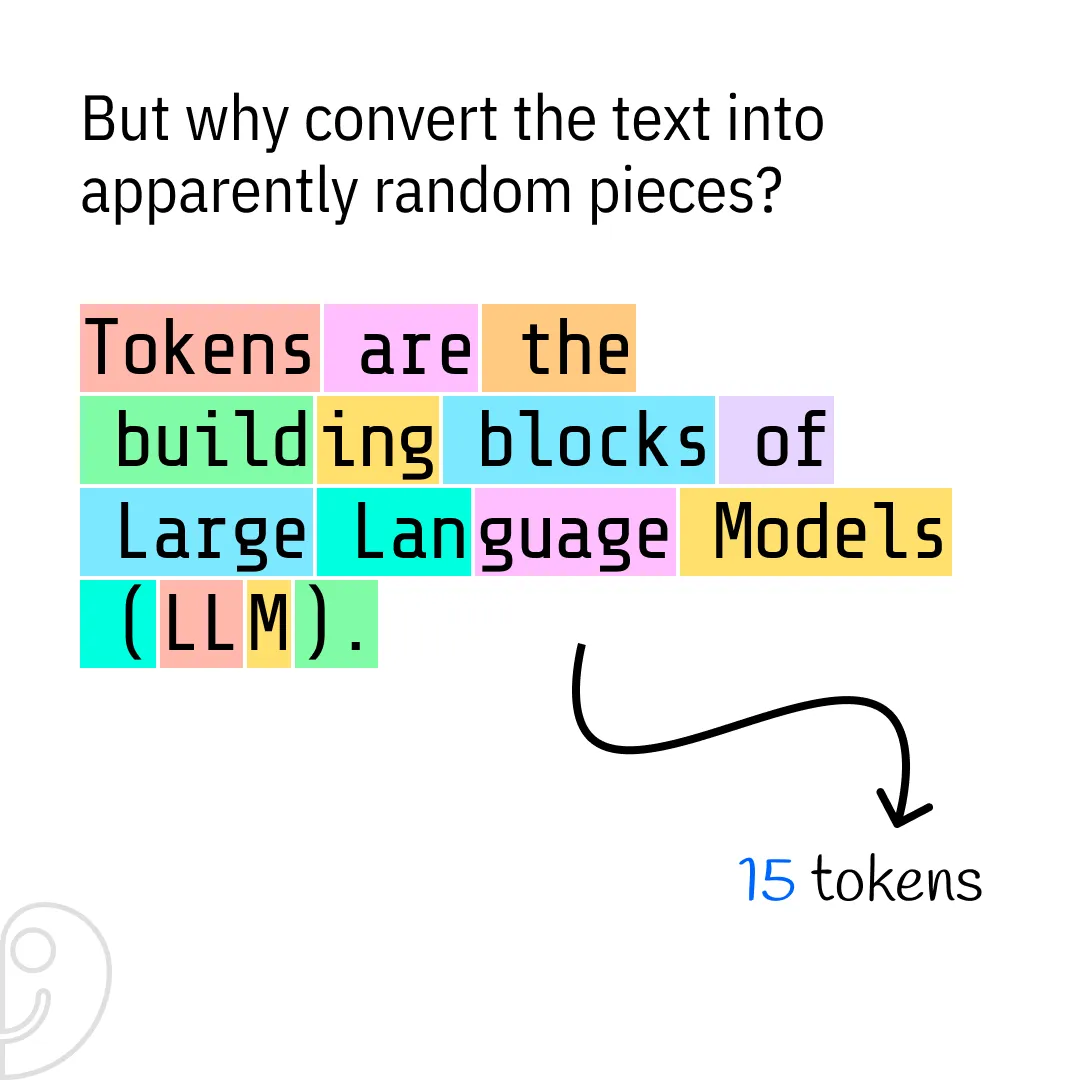 How Many Tokens Do We Need? Take the sentence: “Tokens are the building blocks of Large Language Models (LLM).” Depending on how we split it, we could have 15 tokens if we use word and subword tokenization. But what happens if we tokenize each character individually?
How Many Tokens Do We Need?
Take the sentence: “Tokens are the building blocks of Large Language Models (LLM).”
Depending on how we split it, we could have 15 tokens if we use word and subword tokenization. But what happens if we tokenize each character individually?
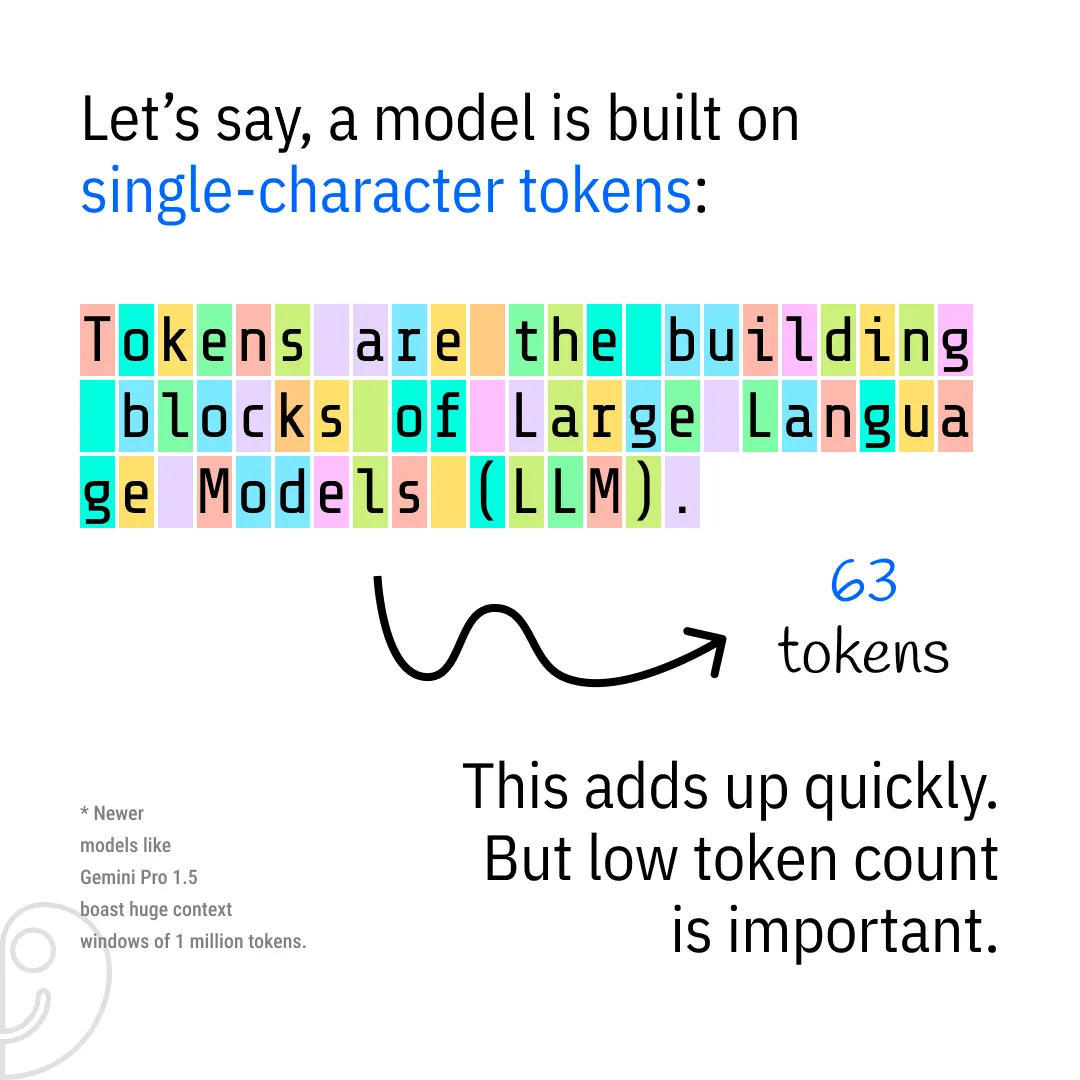 The Problem with Too Many Tokens. If we tokenize each character separately, the same sentence now has 63 tokens instead of 15. This makes processing inefficient since models have to handle more tokens than necessary. Reducing the number of tokens is crucial to optimizing model performance.
The Problem with Too Many Tokens
If we tokenize each character separately, the same sentence now has 63 tokens instead of 15. This makes processing inefficient since models have to handle more tokens than necessary. Reducing the number of tokens is crucial to optimizing model performance.
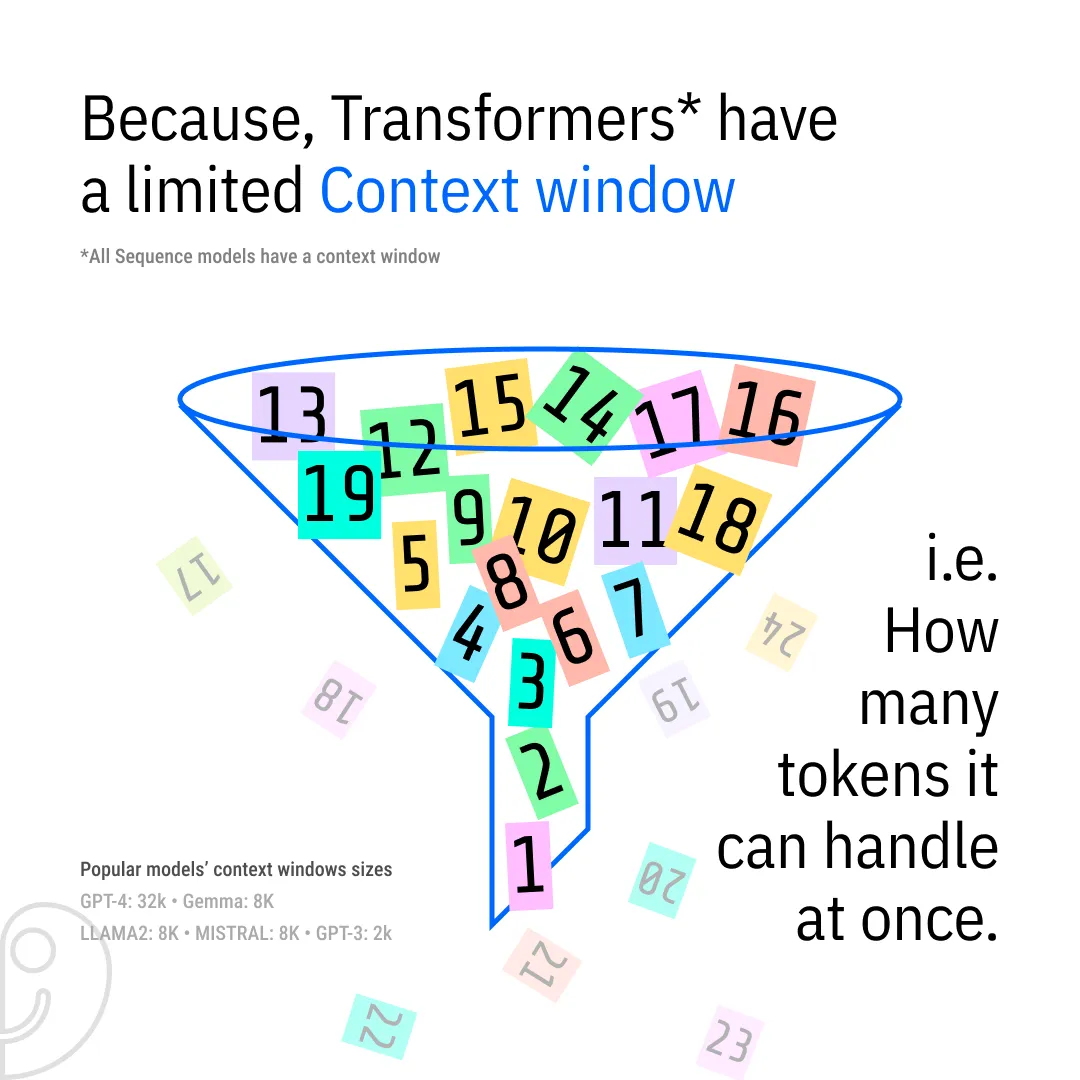 Why Token Count Matters. LLMs are built on transformers, which have a limited context window—the number of tokens they can process at once. For instance, GPT-4 has a 32,000-token limit, while models like LLaMA2 and Mistral max out at 8,000 tokens. Efficient tokenization ensures we make the most of this window.
Why Token Count Matters
LLMs are built on transformers, which have a limited context window—the number of tokens they can process at once. For instance, GPT-4 has a 32,000-token limit, while models like LLaMA2 and Mistral max out at 8,000 tokens. Efficient tokenization ensures we make the most of this window.
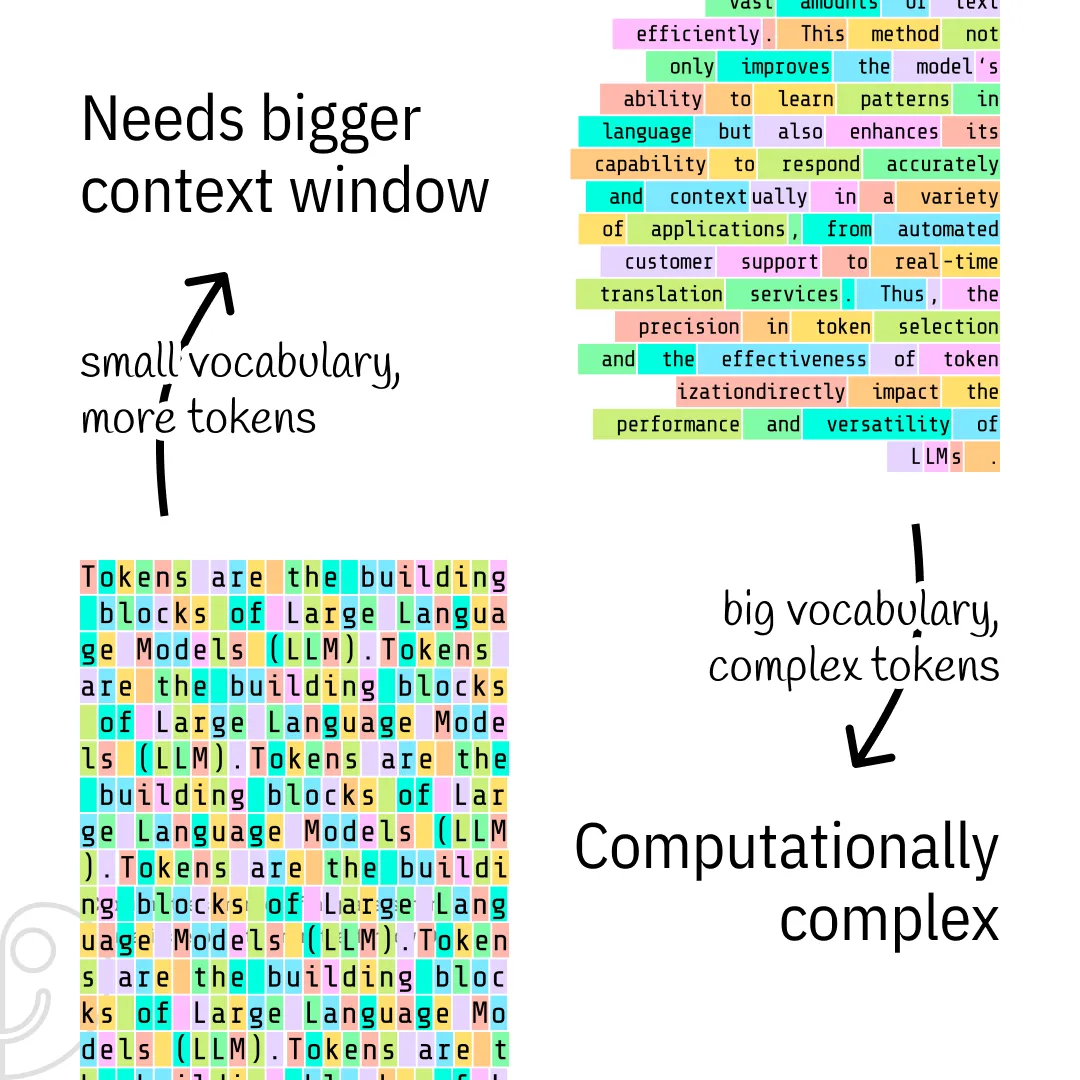 Balancing Tokenization Complexity. There’s a tradeoff between having a small vocabulary with more tokens and a large vocabulary with complex tokens. A small vocabulary means the model needs a bigger context window, while a large vocabulary increases computational complexity.
Balancing Tokenization Complexity
There’s a tradeoff between having a small vocabulary with more tokens and a large vocabulary with complex tokens. A small vocabulary means the model needs a bigger context window, while a large vocabulary increases computational complexity.
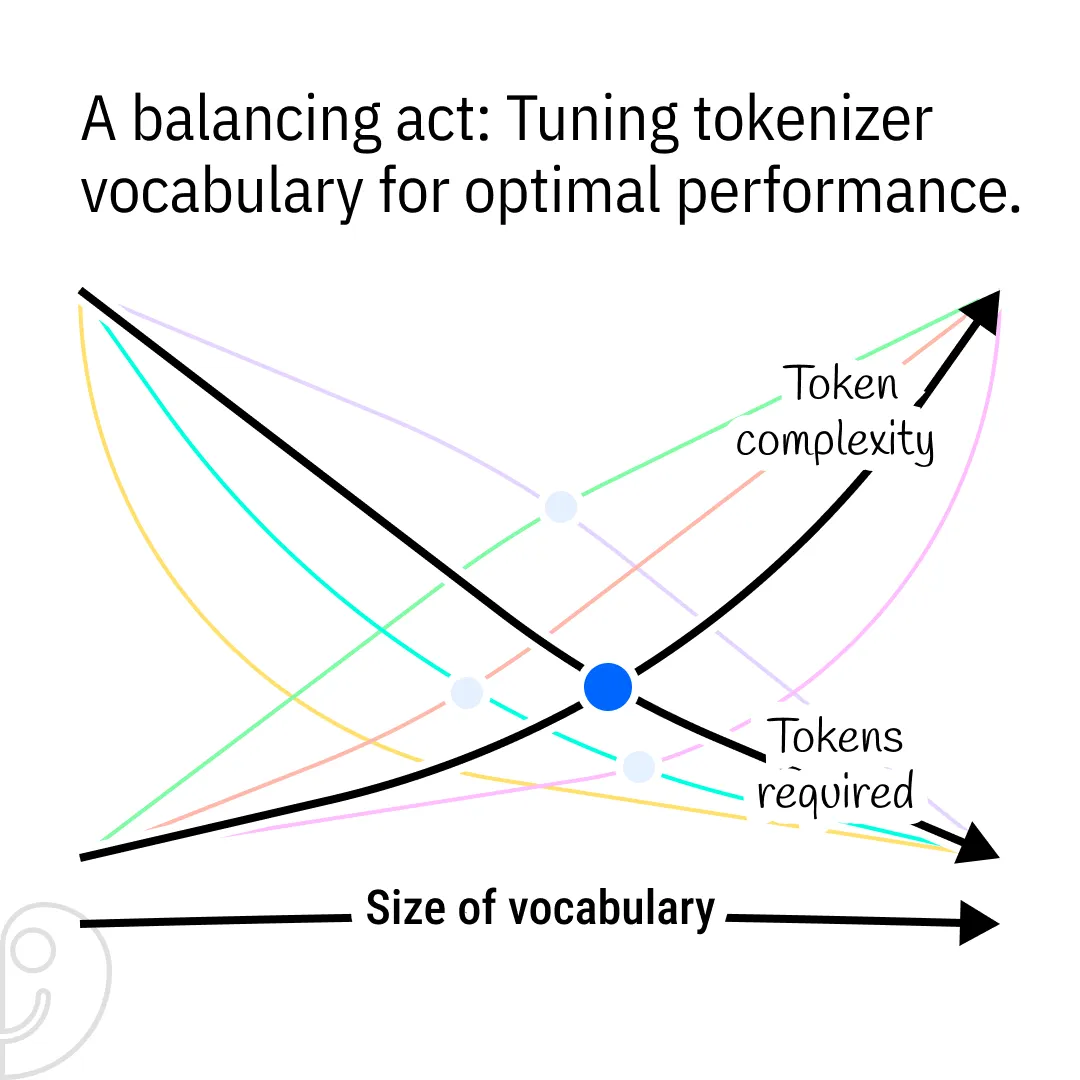 Finding the Right Balance. Optimizing tokenizer vocabulary size is an ongoing challenge. The ideal approach is finding a balance where tokens are neither too simple nor too complex, allowing for efficient processing while maintaining language richness.
Finding the Right Balance
Optimizing tokenizer vocabulary size is an ongoing challenge. The ideal approach is finding a balance where tokens are neither too simple nor too complex, allowing for efficient processing while maintaining language richness.
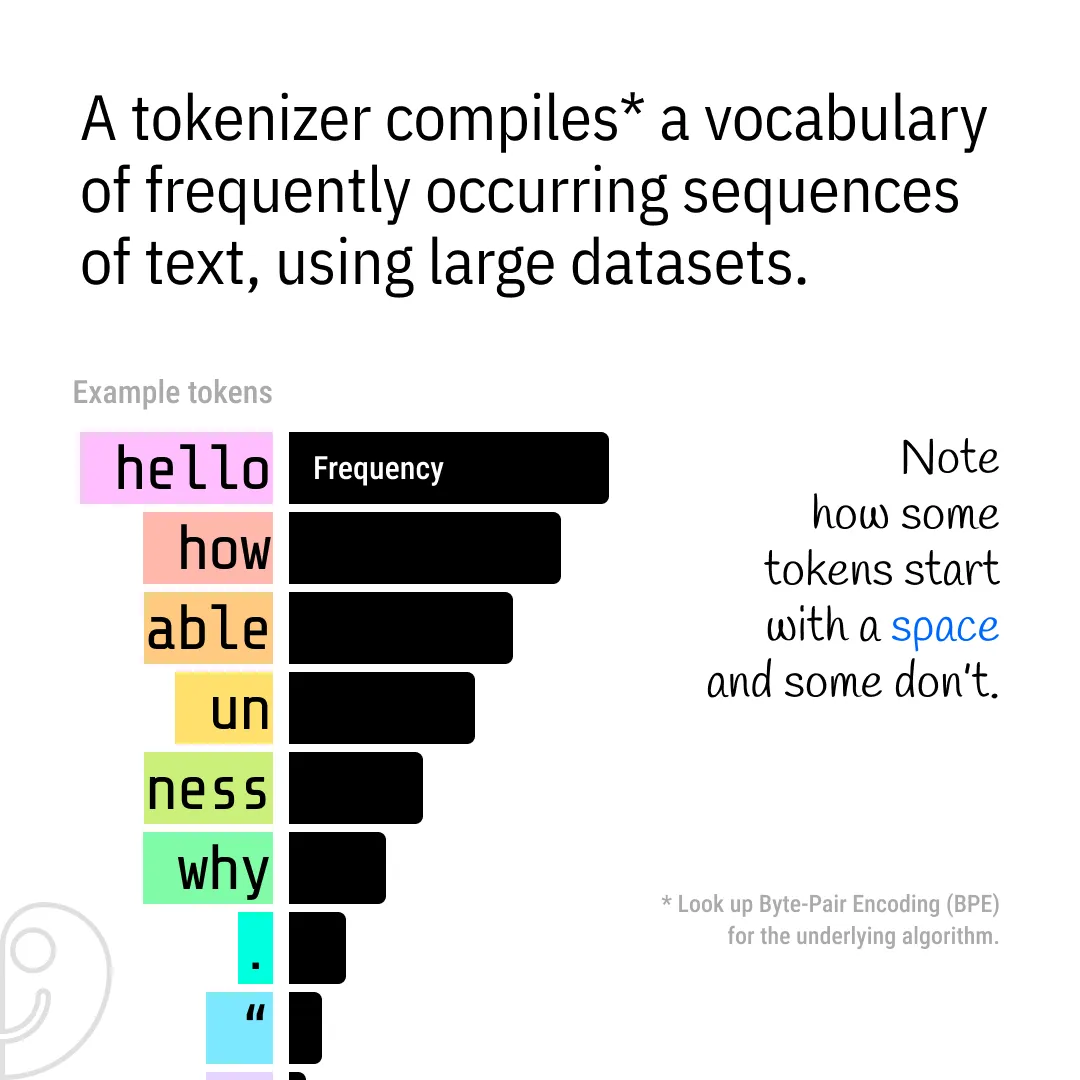 How Do Tokenizers Work? Tokenizers analyze large datasets to determine frequently occurring sequences of text. This is how subwords like “hello” or “ness” become tokens, while less common words get split into smaller pieces. This technique, called Byte-Pair Encoding (BPE), helps models efficiently process text.
How Do Tokenizers Work?
Tokenizers analyze large datasets to determine frequently occurring sequences of text. This is how subwords like “hello” or “ness” become tokens, while less common words get split into smaller pieces. This technique, called Byte-Pair Encoding (BPE), helps models efficiently process text.
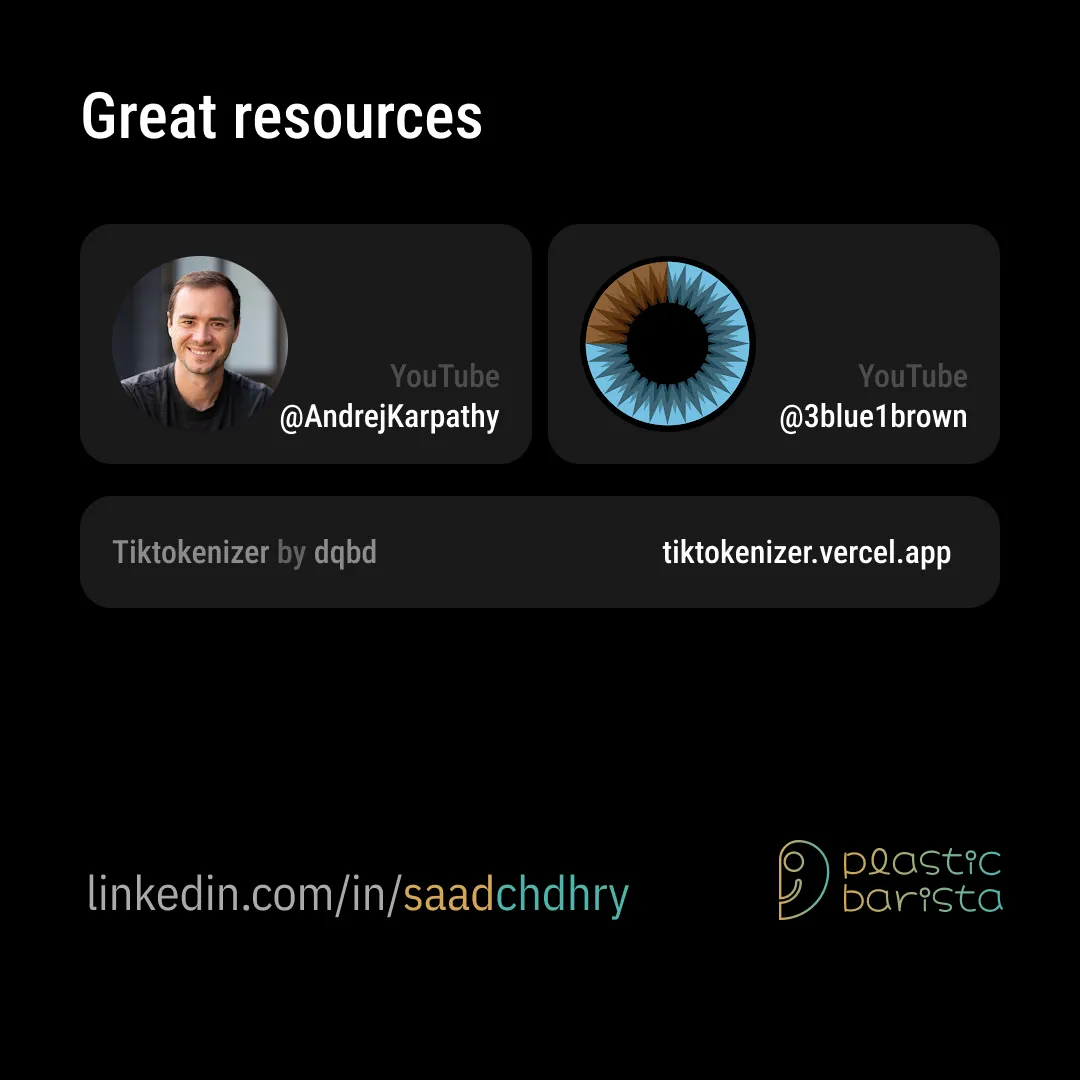 Further Resources. Want to dive deeper? Check out these great resources: Andrej Karpathy on YouTube for deep dives into LLMs. 3Blue1Brown for visual explanations of complex topics. Tiktokenizer by dqbd to experiment with tokenization in real-time.
Further Resources
Want to dive deeper? Check out these great resources:
- Andrej Karpathy on YouTube for deep dives into LLMs.
- 3Blue1Brown for visual explanations of complex topics.
- Tiktokenizer by dqbd to experiment with tokenization in real-time.
Saad Chaudhry
Fractional Product Designer