The DD framework
A framework that has proven itself indispensable all the way from designing physical things for hobby on weekends, to creating multi-year product visions.
The DD framework
tl;dr
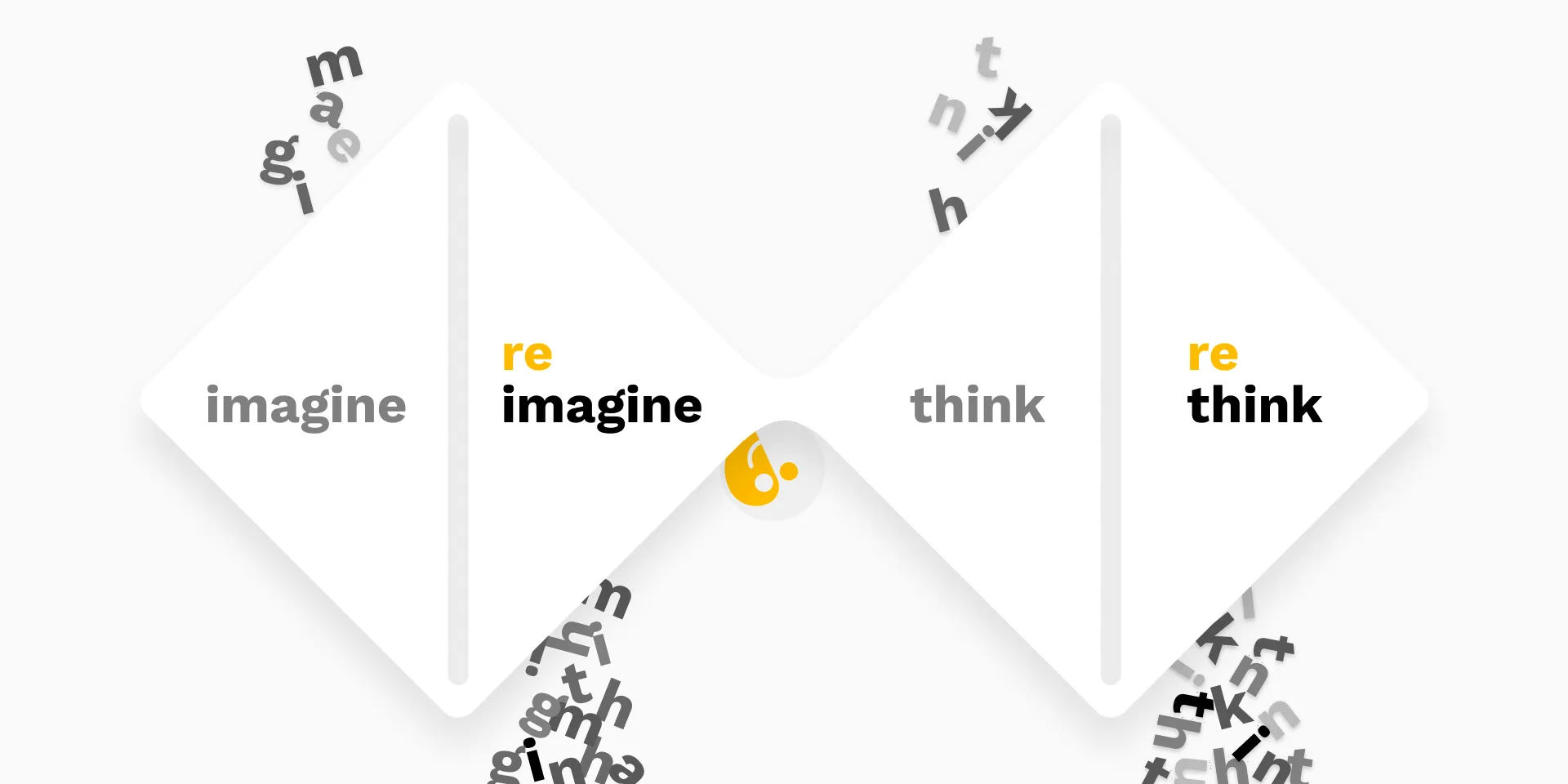
2 simple steps → Doing the right thing → Doing the thing right Open In Figma ↗
2 simple steps
→ Doing the right thing
→ Doing the thing right
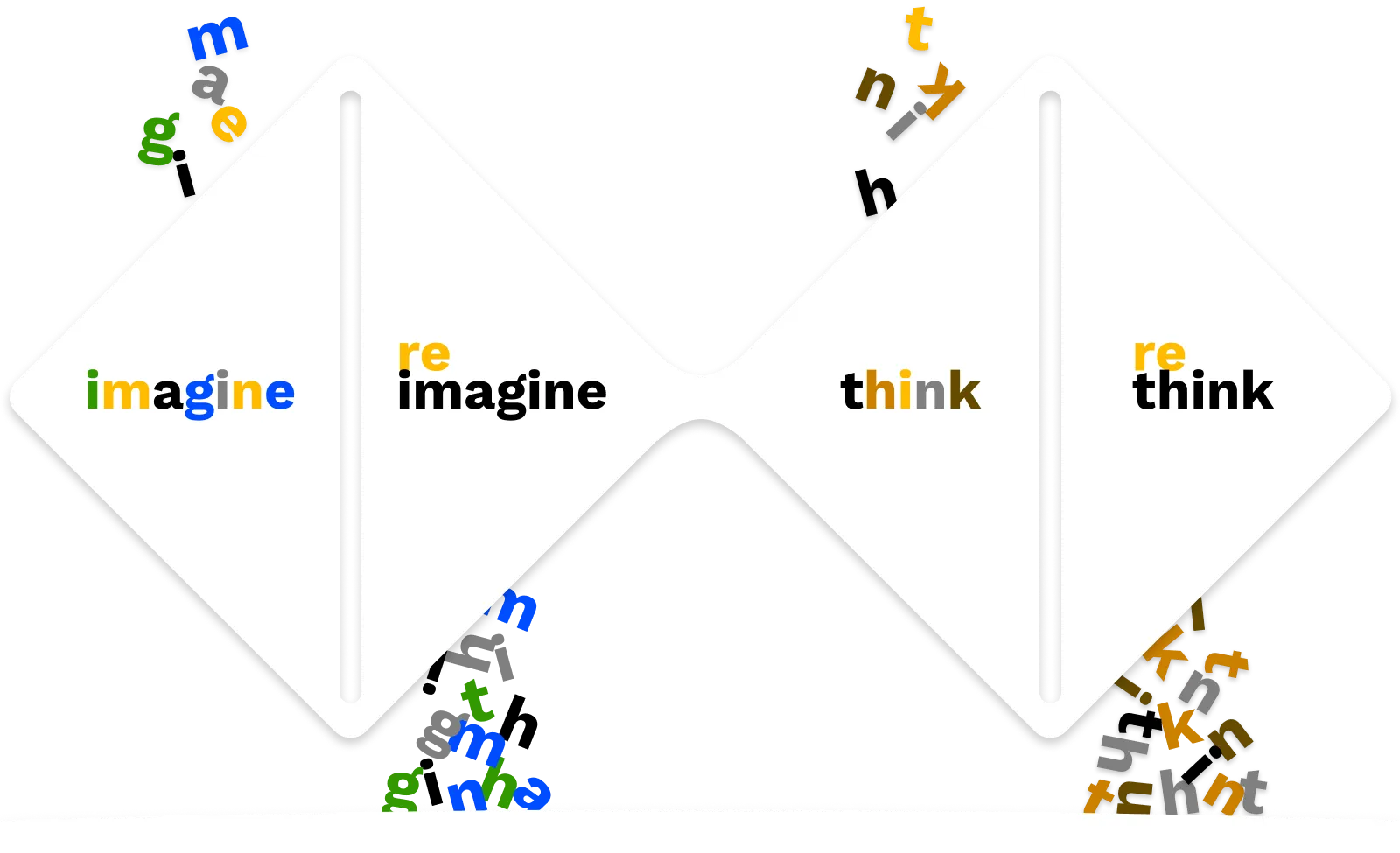 My abstraction of the renowned double diamond model of design (British Design Counsel 2005) popularized by Don Norman in his book The design of everyday things
The DD framework has proven itself indispensable all the way from designing physical things for hobby on weekends, to creating multi-year product visions for work.
Given no two projects are the same, I’ve found that building and refining an overarching design framework has drastically helped in improving not only my work’s efficiency but also quality. These same underlying ethos have been extended towards designing processes for our team.
[ab][cd] in theory
All unmarked quotes below are from doet
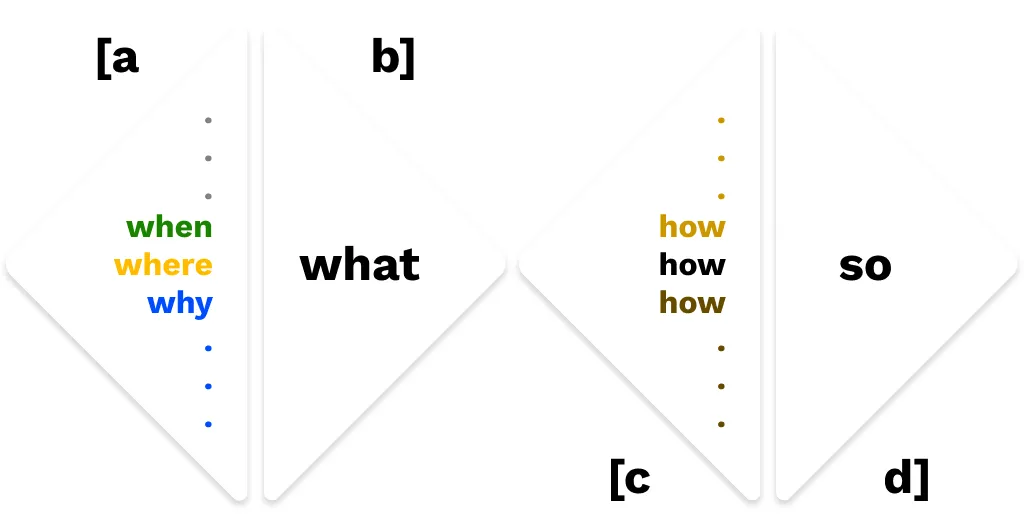
[a] explore the w’s
Every good design begins with understanding of the problem, before anything else. A guy named Jeff Bezos famously said, “You have to find and fix the root cause, not the symptom”.
This is the fundamental principle of finding a viable solution towards the actual underlying problem. Imagine a doctor sending a patient off with a Paracetamol for headache, practically fixing the symptom, instead of investigating the underlying potentially serious root cause.
step one. do the right thing
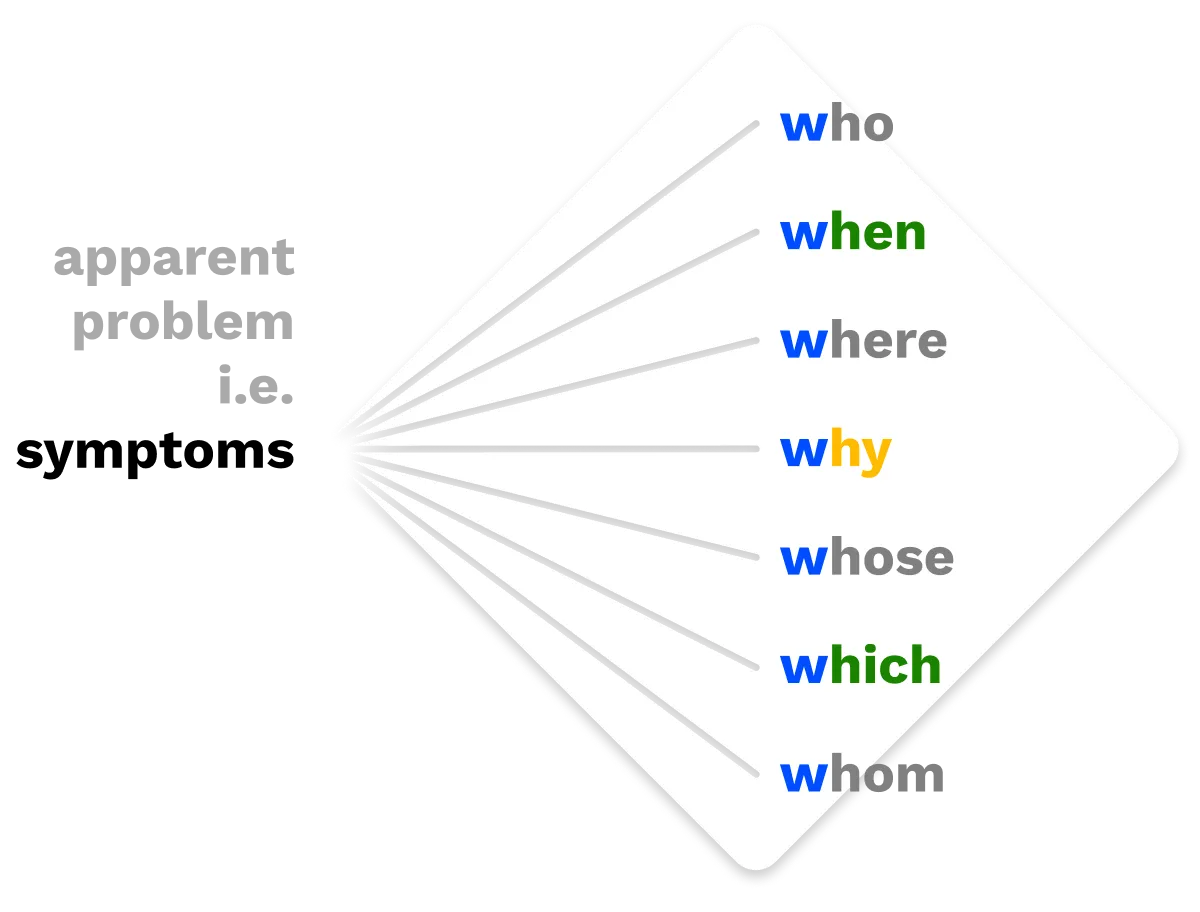
[a] explore the w’s
Every good design begins with understanding of the problem, before anything else. A guy named Jeff Bezos famously said, “You have to find and fix the root cause, not the symptom”.
This is the fundamental principle of finding a viable solution towards the actual underlying problem. Imagine a doctor sending a patient off with a Paracetamol for headache, practically fixing the symptom, instead of investigating the underlying potentially serious root cause.
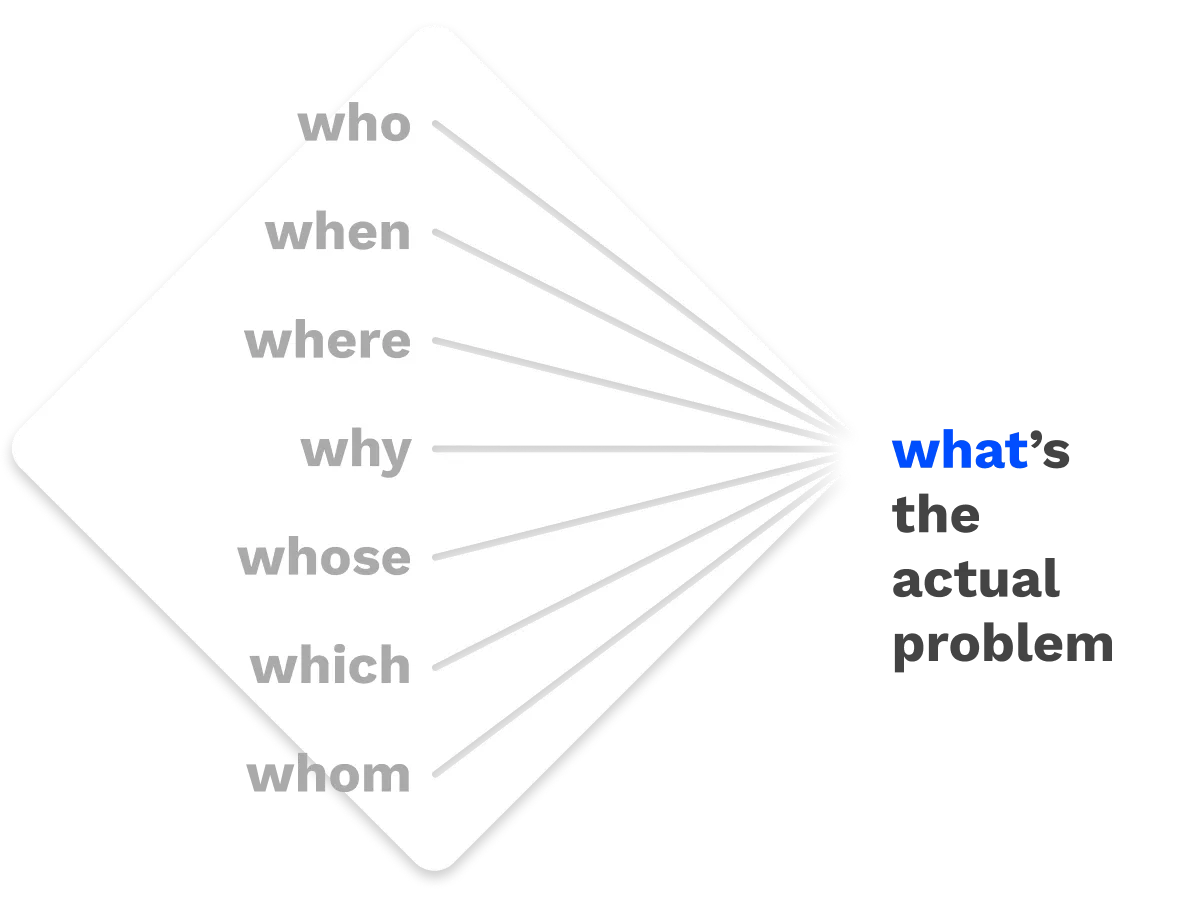
[b] find what
“What” essentially narrows down the problematic symptoms to few fundamental reasons, ideally one. It defines the problem in as short a sentence as possible.
Dieter Rams, arguably one of the most influential figure of the Bauhaus philosophy lays 10 principles of good design, of which the final one ends the list saying “Good design is as little design as possible”.
step two. do the thing right
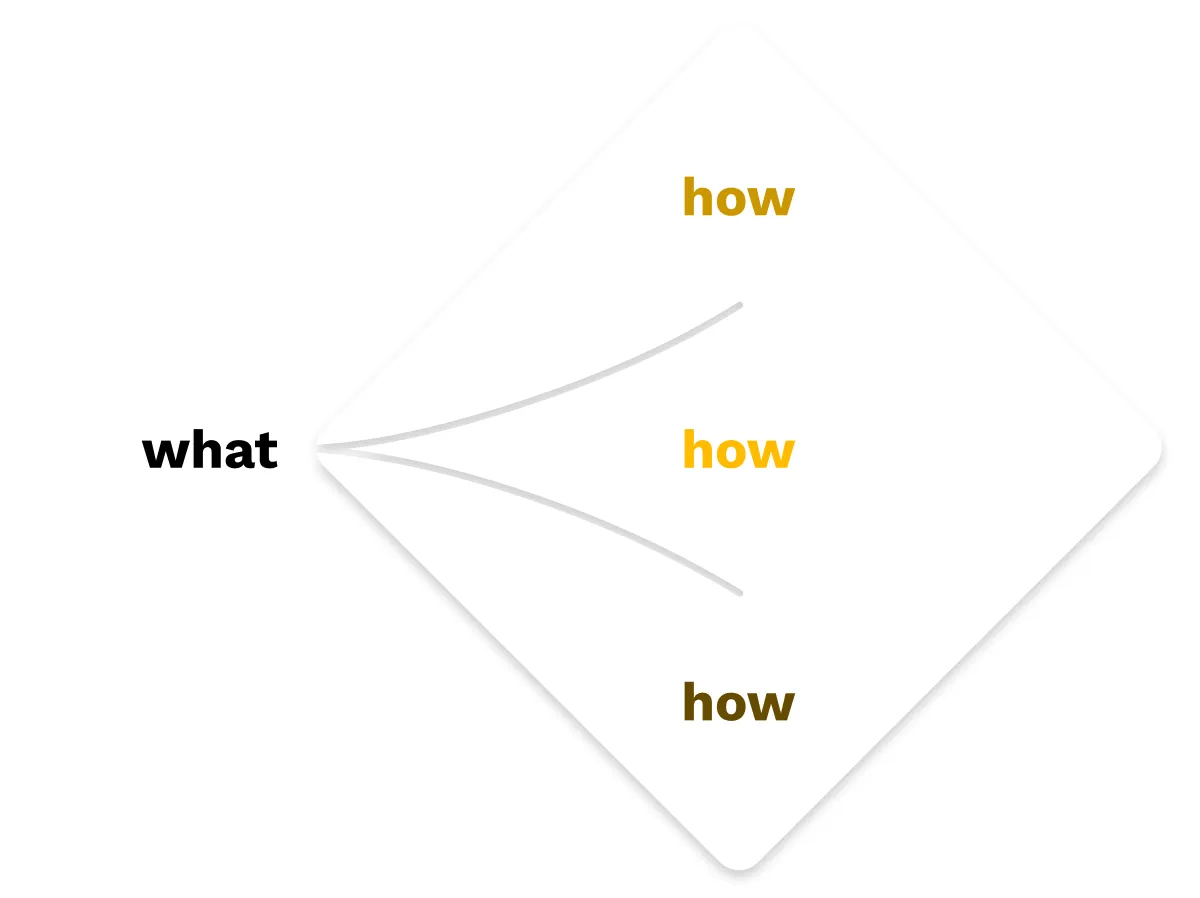
[c] weigh the hows?
More often than not, any given problem has multiple possible solutions, amid a few possible ones, and only a couple desirable ones. Ignoring the problem in itself is also a viable solution, although not the most desirable, optimal, or practical one in most cases.
Finding… or rather, deciding upon the optimal solution is usually a game of experimenting and testing the many way-forwards and weighting them against each other.
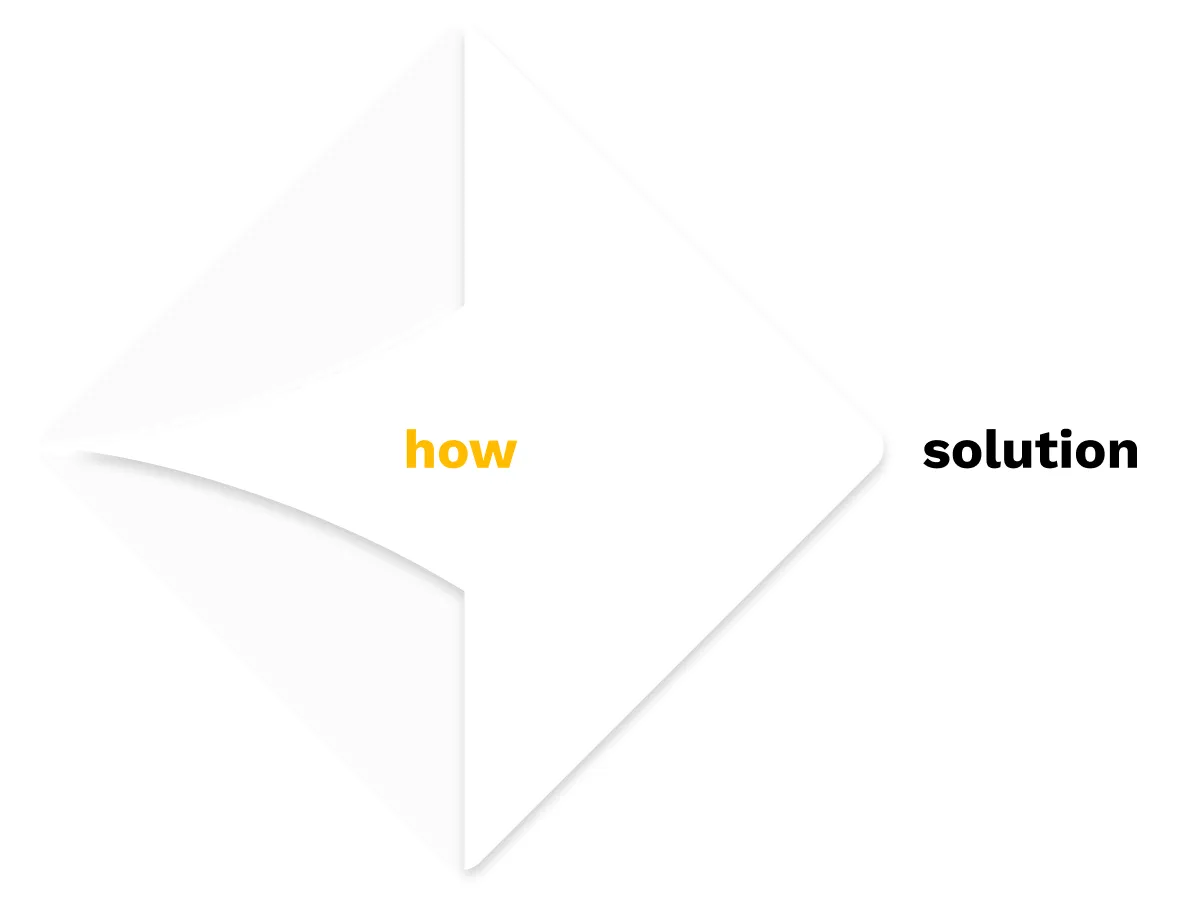
[d] design the solution
The final stage consists of laying the solution down in as consise form as possible. Nothing is left to change or should appear arbitrary. The design clarifies the product’s functions, and in ideal case make it self explanatory.
It’s can be abstractly summed up by another of Rams’ principle “Design is honest”, i.e. not making the solution appear more innovative, powerful or valuable than it actually is. A solution that does not try to manipulate the users with promises that cannot be kept.
Saad Chaudhry
Fractional Product Designer